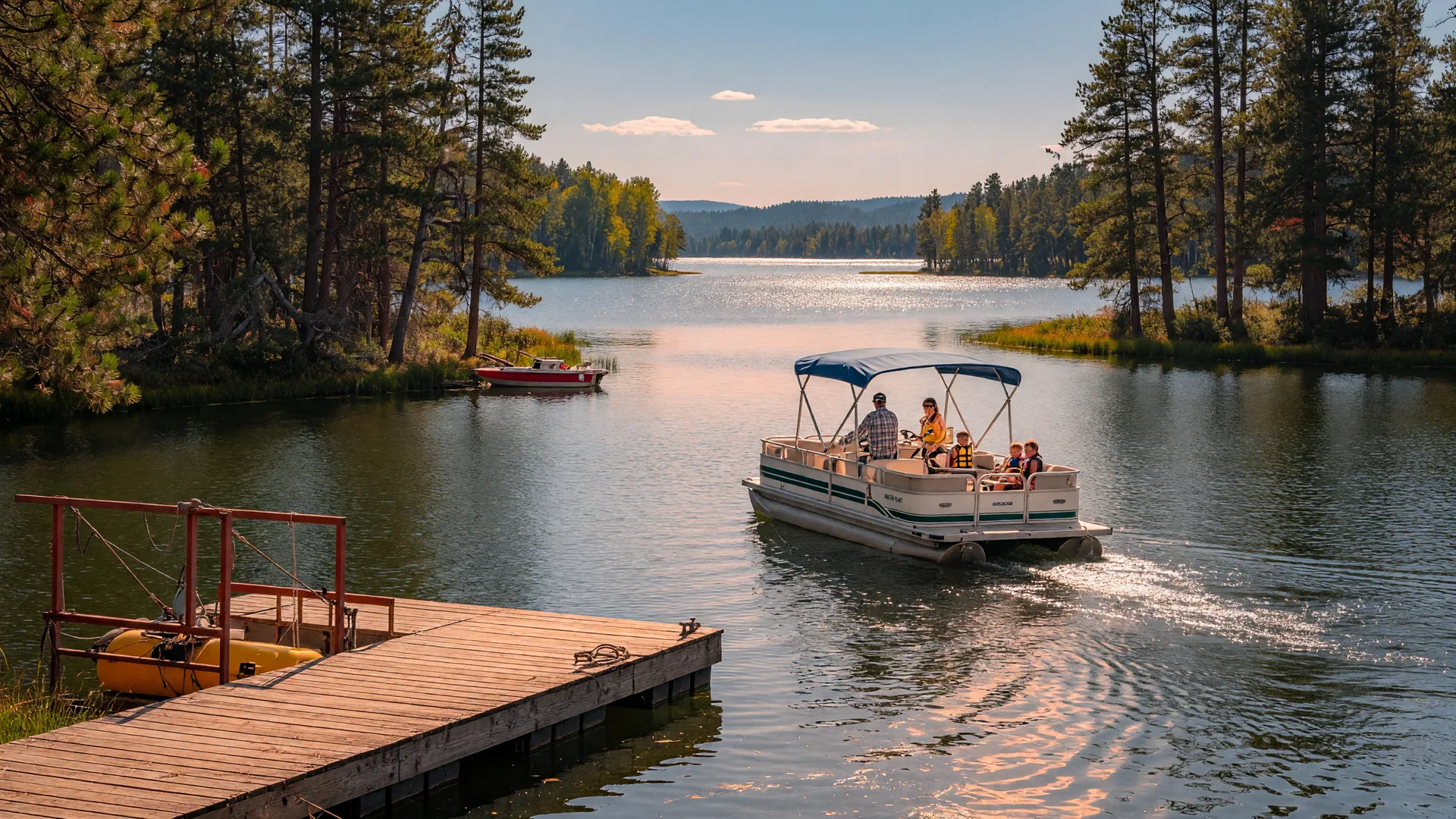
The Whitefish Chain of Lakes is one of Minnesota's great boating destinations. Fourteen interconnected lakes spread across more than 14,000 acres with 115 miles of shoreline, all linked by navigable channels. It is a lake system designed for exploration. You can launch your boat in the morning and spend the entire day cruising from one lake to the next, discovering quiet coves, sandbars, and hidden channels that most visitors never find.
Whether you already own a home on the chain, are shopping for one, or just planning a vacation on the water, understanding the layout and character of each lake will help you get the most out of your time here. This guide covers every lake in the chain, the public access points, navigation tips, and what makes each body of water unique.
How the Chain Was Formed
The Whitefish Chain as we know it today is not entirely natural. When the Pine River Dam was built in Crosslake in the 1880s, it raised water levels across the region and created permanent channels between what had been separate lakes. This engineering decision, made to manage water flow for the timber industry, is the reason you can boat from Upper Whitefish all the way to Cross Lake without ever leaving the water. The dam continues to regulate water levels on the chain, and the Pine River flows through the system, connecting it to the broader Mississippi River watershed.
The 14 Lakes of the Whitefish Chain
Not all the lakes are created equal. Some are large, deep, and heavily developed. Others are small, quiet, and best explored by kayak. Here is the full inventory, from the most popular to the hidden gems.
Cross Lake
The heart of the chain and the most heavily trafficked lake. Cross Lake sits right next to the town of Crosslake and is the center of summer activity. It is where you will find the 4th of July fireworks, the Patriotic Boat Parade, and the busiest boating traffic on summer weekends. At roughly 900 acres with a maximum depth of 82 feet, it is large enough for waterskiing and wakesurfing. The public boat access on the southeast shore provides ample parking. Moonlite Bay Restaurant, with its boat-up docks, is on Cross Lake. This is also where the Pine River Dam regulates the chain's water flow.
Upper Whitefish Lake
At 2,275 acres, Upper Whitefish is the largest lake in the chain and one of the deepest, reaching 106 feet. It is known for excellent water quality and a healthy lake trout population. Upper Whitefish connects to the lower chain via a channel near the Pine River Dam. The shoreline is a mix of year-round homes and seasonal cabins, with plenty of deep water for serious boating.
Lower Whitefish Lake
Connected to Upper Whitefish by a narrow channel, Lower Whitefish spans 1,420 acres with a maximum depth of 65 feet. It has a more residential feel than its larger sibling, with many homes tucked into wooded lots along the shoreline. The fishing here is excellent for walleye, northern pike, and panfish. Public access is available on the south end of the lake.
Big Trout Lake
Big Trout lives up to its name. At 1,170 acres with a maximum depth of 105 feet, it supports a healthy lake trout population and is one of the premier fishing lakes on the chain. Manhattan's Restaurant at Manhattan Beach Lodge sits on its shore, offering upscale lakefront dining. The public boat launch on Big Trout provides good access and parking. In the summer, the water is clear and deep, perfect for swimming off the boat.
Lower Hay Lake
A 775-acre lake that serves as a key connector in the chain. Lower Hay links to Clamshell Lake via a channel and provides access to several of the smaller, quieter lakes in the system. It has good fishing for walleye and northern and a public boat ramp on its south shore. The lake is moderately developed with a mix of homes and undeveloped shoreline.
Clamshell Lake
A 530-acre lake named for the freshwater clams that once populated its bottom. Clamshell connects Lower Hay to the southern reaches of the chain. It has a more secluded feel than the larger lakes, with less development along its shores. A public boat access is available. The lake is popular for fishing and quiet cruising.
Rush-Hen Lake
A 430-acre lake that forms part of the chain's western arm. Rush-Hen Lake is relatively shallow with a maximum depth of around 30 feet, making it a good option for smaller boats and fishing. It connects to the broader chain via channels to Clamshell and other lakes. The shoreline is lightly developed, giving it a wilder feel than the main lakes.
Island Lake
A 345-acre lake that lives up to its name with several small islands dotting its surface. Island Lake connects to the chain near the Crosslake area. It is a quieter lake favored by kayakers and paddleboarders who want to explore its many nooks and island shorelines. The fishing is good for panfish and bass.
Daggett Lake
A 300-acre lake connected to the chain via a channel near Cross Lake. Daggett is relatively shallow, with a maximum depth of around 25 feet, and is popular for fishing and wildlife viewing. Its calm waters make it a favorite for kayaking and paddleboarding. The shoreline is a mix of cabins and natural shoreline providing good habitat for loons and waterfowl.
Little Pine Lake
A 230-acre lake located in the southern part of the chain. Little Pine is a smaller, quieter body of water with modest development. It connects to the chain via a channel and is a good option for those looking for a more secluded boating experience. The fishing is solid for walleye and panfish.
Arrowhead Lake
The shallowest lake in the chain at roughly 10 feet maximum depth, Arrowhead Lake covers about 200 acres. Its shallow, weedy waters make it excellent for bass fishing and wildlife observation. It connects to the chain via a channel and is primarily used by smaller boats, kayaks, and canoes. Arrowhead has a unique character that feels distinctly different from the deeper lakes on the chain.
Bertha Lake
A 175-acre lake that is one of the smaller members of the chain. Bertha connects to the system near the northern end and has a quiet, residential feel. It is the kind of lake where you see more loons than boats. Ideal for a peaceful afternoon of fishing or a gentle paddle.
Pig Lake
A 150-acre lake near the southern end of the chain. Pig Lake is small, quiet, and lightly developed. It connects to the larger chain via a channel and is best explored by small boat or kayak. The name is a relic of the area's agricultural history and adds a bit of character to the chain's roster.
Loon Lake
The smallest lake in the chain at roughly 80 acres. True to its name, Loon Lake is an excellent spot for viewing Minnesota's state bird. The lake connects to the chain near Cross Lake and is best suited for kayaks, canoes, and small fishing boats. Its intimate scale and peaceful character make it a favorite for those who know where to find it.
Navigation Tips for the Chain
Navigating the Whitefish Chain is straightforward once you understand the layout, but there are a few things worth knowing before you head out.
Know the no-wake zones. Several channels and narrow passages on the chain are designated no-wake areas. These are clearly marked but worth familiarizing yourself with before you go. The channel between Upper and Lower Whitefish, the passage near the Crosslake Dam, and several of the smaller connecting channels all require slow, no-wake speeds. Respecting these zones protects the shoreline and keeps everyone safe.
Watch your depth in the smaller lakes. Lakes like Arrowhead, Pig, and Bertha are shallow. If you are running a larger boat with a deep draft, stick to the main channels and the deeper lakes. A depth finder is a worthwhile investment for anyone who plans to explore the full chain.
Summer weekends are busy on Cross Lake. If you want calm water, go early in the morning or on a weekday. The busiest corridor runs from Cross Lake through the channel toward the Whitefish lakes. If you are new to the chain, consider a weekday shakedown cruise to get your bearings before the weekend rush.
Public boat access is available on several lakes. The main public launches are on Cross Lake, Lower Hay Lake, Clamshell Lake, and Big Trout Lake. These provide good parking and ramp access. Some smaller lakes have more limited access, so plan accordingly if you are launching a trailer.
Fishing on the Chain
The Whitefish Chain is one of the premier fishing destinations in the Brainerd Lakes area. The Minnesota DNR uses it as a primary walleye egg-take site, stocking roughly 5 million walleye fry into the system each year. Walleye, northern pike, smallmouth and largemouth bass, crappie, bluegill, and lake trout are all present in healthy numbers. The deeper lakes, particularly Upper Whitefish and Big Trout, support a lake trout population that draws anglers from across the state.
Late summer fishing on the chain is excellent. As the water warms through August, walleye move to deeper structure during the day and feed in the shallows during the evening. Bass fishing remains strong through the warm months, with smallmouth action particularly good around rocky points and island shorelines. Panfish are active throughout the chain, making it easy to keep young anglers engaged.
Water Quality and Ecology
The Whitefish Chain has exceptionally good water quality by Minnesota standards. Phosphorus levels are roughly half of the state standard of 30 micrograms per liter, and the chain supports 55 identified species of aquatic plants. The Minnesota DNR has identified ten sensitive shoreline areas that support the greatest diversity of plant and wildlife. These areas are worth preserving and are part of what makes the chain so special.
Zebra mussels, an invasive species, have been detected in the Whitefish Chain. Lake property owners and boaters should follow clean-drain-dry protocols to prevent the spread of invasives. The Whitefish Area Property Owners Association works actively on conservation and water quality monitoring. It is a good organization to know if you own property on the chain or care about its long-term health.
Living on the Chain
12388 Brookwood Circle sits on the Whitefish Chain, giving you direct access to everything this guide covers. From your own dock, you can launch your boat and explore all 14 lakes without ever trailing a vessel. The property on Brookwood Circle offers the kind of lake living that makes the Whitefish Chain so sought-after: deep water access, a beautiful beach, and a location that puts you minutes from Crosslake's dining and shopping while keeping you tucked into a quiet, wooded setting.
Late August is the perfect time to experience the chain. The water is warm, the crowds have thinned slightly, and the evenings are long and golden. Whether you are waterskiing across Cross Lake, fishing for walleye on Lower Whitefish, or anchoring in a quiet cove on Clamshell with a good book, there is no better place to spend the final weeks of summer.