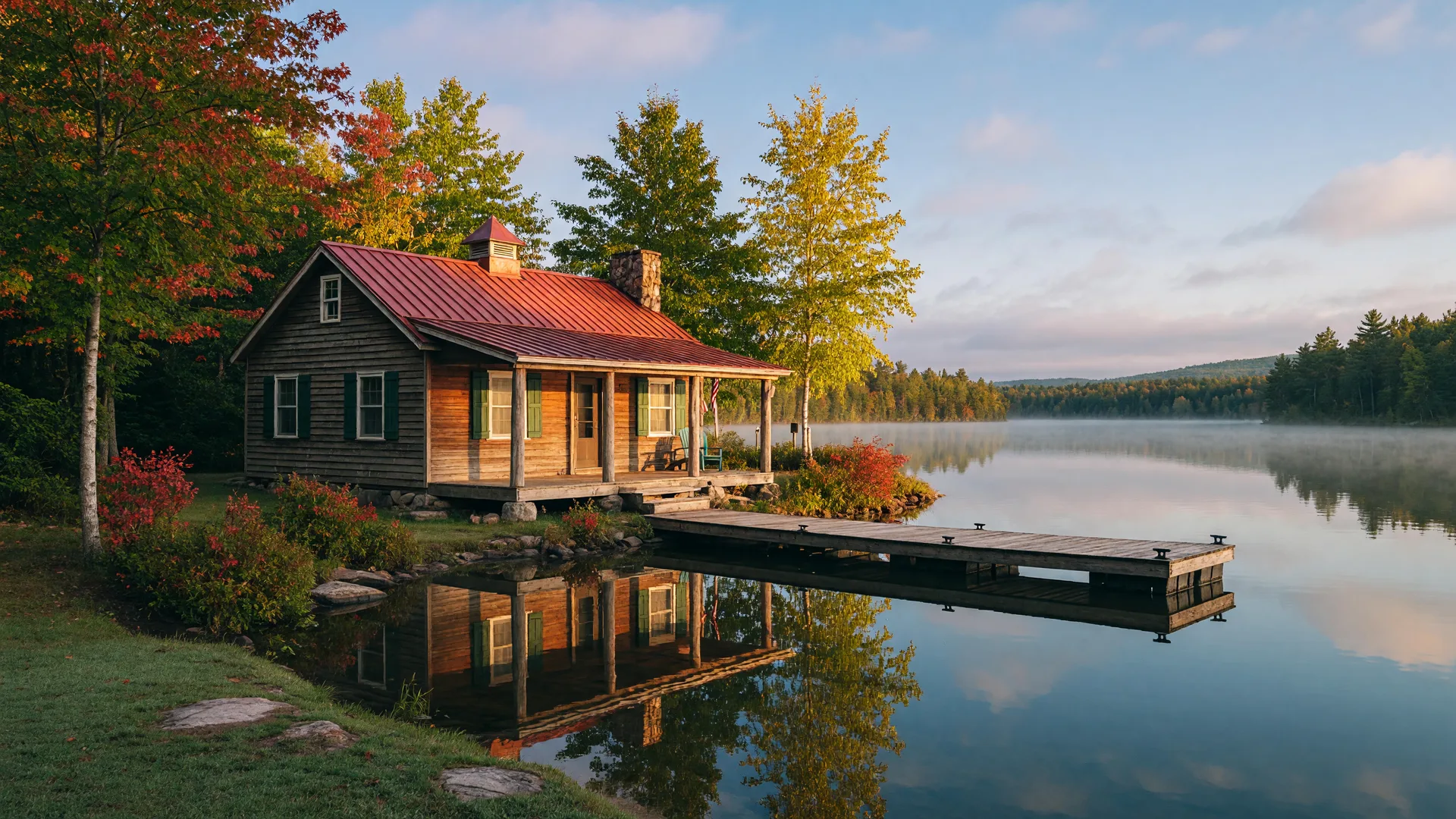
August is winding down on the Whitefish Chain, and while the warm afternoons of late summer are still perfect for boating and fishing, any seasoned lake home owner knows that now is the time to start thinking about winter. The first hard freeze can arrive in Crow Wing County as early as mid-October, and a proper winterization takes time. Whether you own a seasonal cabin you close up for the cold months or a year-round home on the Whitefish Chain, here is a complete guide to protecting your property through a Minnesota winter.
Start With the Water System
Frozen and burst pipes are the single most expensive and disruptive problem lake home owners face during winter. For seasonal cabins that will sit unheated, draining the entire water system is essential. The process is straightforward but requires care:
- Turn off the main water supply and open every faucet in the house to let water drain out completely.
- Use an air compressor to blow out remaining water from the lines. This step is critical for getting water out of low spots where gravity alone will not clear the pipes.
- Drain the water heater. If the cabin will be unheated for the season, drain it fully to prevent damage.
- Add RV antifreeze to drains, toilet bowls and tanks, sink traps, and shower drains. Never use standard automotive antifreeze, which is toxic.
For year-round homes that stay heated through winter, keep the thermostat set to at least 50 degrees Fahrenheit even when you are away. This is warm enough to prevent pipes from freezing while keeping heating costs manageable. If you have pipes in unheated crawl spaces or along exterior walls, consider adding heat tape or insulation before the cold sets in.
Seal the Envelope
Minnesota winters test every gap and crack in a home's building envelope. Walk around your property on a windy day and pay attention to where drafts enter. Common problem areas on lake homes include:
- Windows and doors. Replacing old weatherstripping is inexpensive and makes an immediate difference. On older cabins with single-pane windows, clear plastic window insulation kits add an extra thermal barrier.
- Electrical outlets and wiring penetrations. Where wiring enters through exterior walls is a common but overlooked air leak. Foam sealant or caulk can close these gaps quickly.
- Dryer vents and exhaust fans. Check that the exterior flaps close fully and are not blocked by debris or ice.
- Foundation and crawl space vents. Seal crawl space vents to prevent cold air from circulating under the house. Make sure the skirting around the foundation is intact.
On the Whitefish Chain, lake homes often sit on lots with significant exposure to wind coming across open water. This wind can make even well-insulated homes work harder to stay warm. Sealing air leaks is one of the highest-return investments you can make.
Roof, Gutters, and Ice Dams
Ice dams are a fact of life for Minnesota lake homes, especially those with dormers, valleys, and complex rooflines. An ice dam forms when heat from the house melts snow on the roof, and that meltwater refreezes at the edge. The resulting ice ridge traps water behind it, which can seep under shingles and into the house.
Before winter arrives, clean all gutters and downspouts thoroughly. Make sure the attic is well insulated and properly ventilated so the underside of the roof stays cold. If you have had ice dam problems in the past, consider installing heated cables along the roofline. In the Crosslake area, where lake-effect snow can pile up faster than in inland locations, these proactive steps are especially important.
Winterizing the Dock and Shoreline
One of the unique responsibilities of lakefront ownership on the Whitefish Chain is protecting your shoreline investments from ice. The chain's 14 interconnected lakes freeze solid, and the expanding ice can lift, twist, and destroy docks, boat lifts, and shoreline structures if they are not properly prepared.
Lift your boat lift out of the water or lower it to the bottom in a position where ice heave will not damage it. Remove dock sections if possible and store them on shore. If you have a permanent dock, make sure it is built to handle the freeze-thaw cycle of the Whitefish Chain. Many Crosslake property owners hire local dock companies to handle this work, and it is worth booking early in the fall because schedules fill up fast.
Interior Prep: Appliances, Pantry, and Pests
For seasonal cabins that will sit vacant through the winter, interior preparation goes beyond preventing water damage:
- Remove all food from cabinets and pantry. Even sealed packages can attract mice and other rodents looking for shelter from the cold.
- Unplug all non-essential appliances to prevent phantom energy loads and eliminate any risk of electrical issues while the cabin is unattended.
- Clean out the refrigerator and freezer, and leave the doors propped open to prevent mold and mildew.
- Place mouse traps or bait stations in strategic locations. A few proactive traps now can save you from a major cleanup in the spring.
- Check the fireplace and chimney. Make sure the damper seals fully and that no animals have built nests in the flue. A chimney cap is a worthwhile investment.
Exterior: Snow and Wind Prep
Trim any tree branches that hang over the roof or dock. Heavy snow and ice can bring down branches that would cause significant damage. On the Whitefish Chain, where the tree canopy is dense and the lake effect can mean heavier snow loads, this is not a step to skip.
If you have outdoor furniture, grills, or decor, store them indoors or secure them for the winter. Winter winds across the chain can send unsecured items tumbling, and they become dangerous projectiles in a storm.
Plan Your Winter Access
If you plan to visit your lake home on the Whitefish Chain during winter, make sure you have a plan for snow removal. County Roads 3 and 66 in and around Crosslake are plowed regularly, but private drives and cabin approaches may not be. Contract with a local snowplow service before the first snowfall, not after. In the Crosslake area, reliable plow drivers book their clients well before November.
Keep a winter emergency kit in your vehicle and at the cabin. Include a shovel, blankets, flashlights, extra batteries, snacks, and a first aid kit. Cell service on parts of the Whitefish Chain can be spotty, and a winter breakdown on a remote road is not something you want to face unprepared.
The Silver Lining: Winter on the Whitefish Chain
For all the work that goes into winterizing, there is a reason so many of us choose to live on the Whitefish Chain year-round. Winter here is spectacular. The frozen lakes become a playground for ice fishing, snowmobiling, and cross-country skiing. The Paul Bunyan Trail runs right through Crosslake with over 100 miles of groomed winter surface. Crosslake WinterFest in February brings the community together for pond hockey, SoupFest, and bonfires on the ice. And there is nothing quite like a quiet evening in a warm cabin while the snow falls on the frozen lake outside your window.
The work you put into winterizing now pays off in comfort and peace of mind all season long.
12388 Brookwood Circle is a lakefront cabin on the Whitefish Chain with strong bones and beautiful beach. Whether you are looking for a year-round home or a seasonal getaway that will winterize well, Noah Goedker can help you evaluate your options in the Crosslake market.
Contact Noah